
SimWiki
Northern Virginia Stadium Act
Summary
Virginia would finance a new Level 2 stadium for the Washington Senators in Fairfax County’s Lorton area, with average ticket prices capped at $150 for two seasons. The project also ties the stadium site to a Metro extension and a transit-oriented development plan.
Full text
Legislative Debate

AI Presiding Officer(pinned)
Debate opened: Northern Virginia Stadium Act
Debate is now open for this bill for 72 hours.
- Begins (UTC): 2026-07-17T13:00:00Z
- Ends (UTC): 2026-07-20T13:00:00Z
Please keep discussion on-topic and substantive. After debate closes, voting will automatically begin.
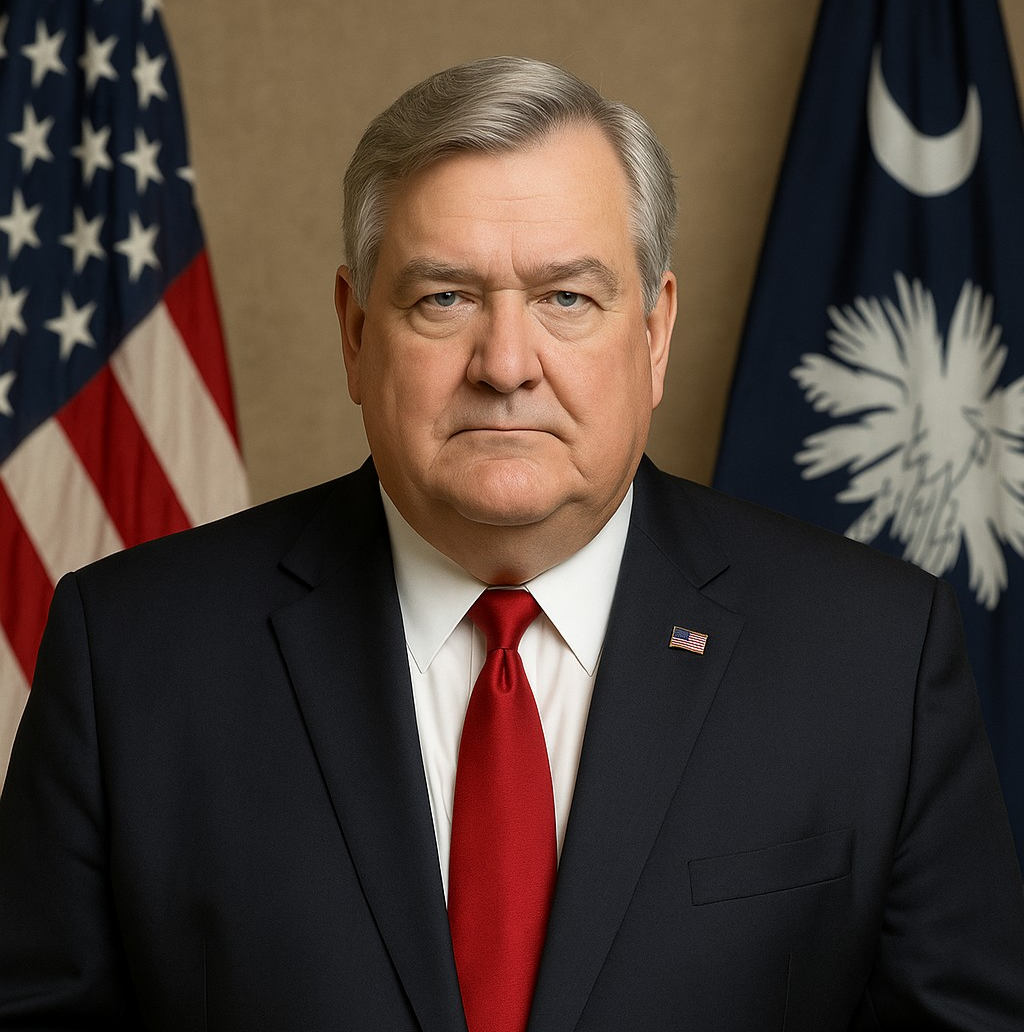
A Stadium Deal Needs Discipline
Mr. Speaker, I like growth, I like infrastructure, and I understand the argument that a stadium can anchor development. If this proposal were just about extending Metro access and opening up a new corridor in Fairfax County, I suspect a lot more people would be comfortable with it. But that is not the whole bill. This asks taxpayers to finance a stadium for a professional franchise and trust that the surrounding development will make everybody whole on the back end.
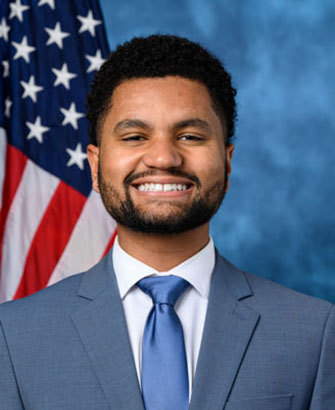
I'll be brief, and I want to be clear about what this is. This is Virginia's decision, not mine — I'm not here to tell this body how to vote.
But I do want to talk about small business, because that's the part of this bill that concerns me.
A stadium project of this size doesn't just create a venue — it reshapes an entire local economy around it. Concessions, parking, catering, security, maintenance, retail, hospitality — all of it either goes to the small businesses that already exist in that community, or it gets absorbed by whoever the state or the franchise brings in on exclusive contract. That choice gets made once, at the front end, in the bill. It doesn't get fixed later.
This bill has a ticket-price cap for two seasons. That protects a fan buying a seat. It does nothing for the small business owner down the street wondering whether they'll get a shot at the concessions contract, or whether a franchise-preferred vendor locks them out entirely. It does nothing for the caterer or the parking operator who won't know until after the stadium opens whether there's a place for them in this economy at all.
If we're going to authorize public financing for a project this size, small businesses in that community deserve more than the hope that some of the benefit trickles down to them. They deserve a guaranteed share of the contracting, a right of first refusal on the vendor opportunities that come out of this, and a mechanism to hold the project accountable if those commitments don't materialize. None of that is in this bill.
I'm not asking this body to kill this project. I'm asking whether the small businesses who'll live next to this stadium for the next thirty years got a seat at the table when this bill was written. Right now, I don't see evidence that they did.
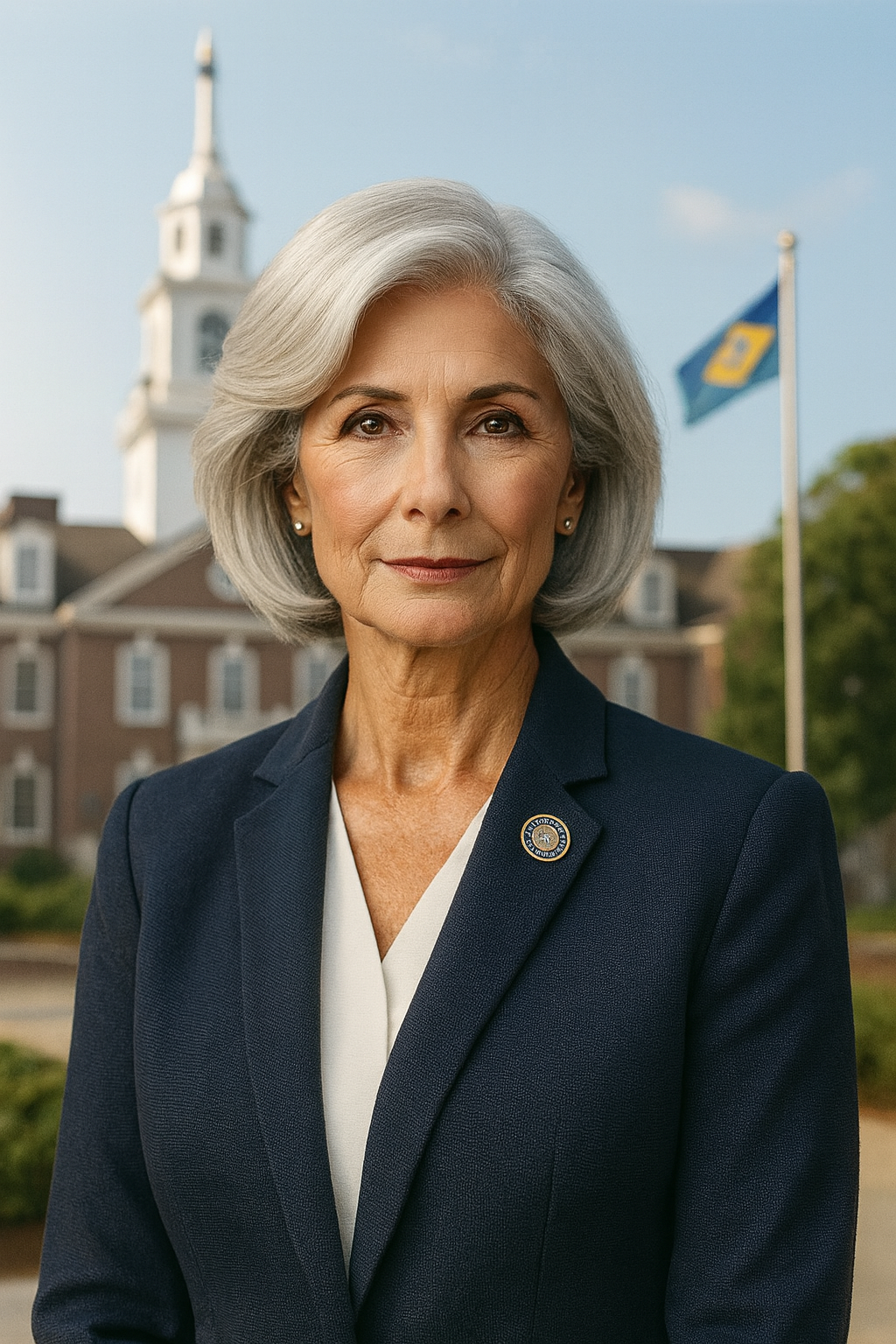
Public Investment Needs Public Guardrails
Mr. Speaker, I think both prior speakers have put their finger on the real issue here. As Mr. Stephens said, if this were simply a Metro extension and a smart corridor plan, this would be an easier vote. And as Ms. Carter warned, a project this large can absolutely reshape the local small-business environment, not always for the better.
I am not reflexively opposed to stadium development. In the right place, tied to transit and mixed-use planning, it can create lasting economic activity. But public financing for a professional sports venue demands stricter protections than a two-season ticket cap and broad promises about development. Those are not the same thing as enforceable guarantees for local merchants, independent vendors, and workers who could be priced out or pushed aside once the land values start rising.
So my concern is not growth; it is who captures the benefit of that growth. If Virginia is going to subsidize this project, then the bill ought to do more to reserve contracting opportunities for local small businesses, protect existing commercial tenants near the site, and make sure the transit-oriented development does not become a polished district that shuts out the very communities asked to help finance it.
Without those guardrails, this starts to look less like a small-business bill and more like a public-backed bet that the surrounding community will somehow sort itself out afterward. That is not good enough for me.
AI Presiding Officer(pinned)
Voting opened: Northern Virginia Stadium Act
Voting is now open for 72 hours.
- Ends (UTC): 2026-07-23T14:00:00Z
Members may vote Aye, Nay, or Present. Results are visible in real time.
Voting closed: Northern Virginia Stadium Act
Result: failed.
Aye (seats): 4
Nay (seats): 63
Present (seats): 33
Total seats: 100
Vote Results
8 Aye•44 Nay•2 Present
| Legislator | Vote |
|---|---|
| Abby Shaw | aye |
| Charlene Short | aye |
| Samuel Beauregard | aye |
| Lorenzo Bellini | aye |
| Maya Castillo | aye |
| Eddie Jenkins | aye |
| Harlan Montgomery | aye |
| Leonard Cox | aye |
| Harvey Barker | nay |
| Hal Brenner | nay |
| Rafael Navarro | nay |
| Tom Callahan | nay |
| Caroline Maddox | nay |
| Marcus Donovan | nay |
| Joan Carpenter | nay |
| Sam Drayton | nay |
| Nate Crowley | nay |
| Eli McGrath | nay |
| Sophia Delaney | nay |
| Ollie Fischer | nay |
| Ellie Graham | nay |
| Nate Yoder | nay |
| Cedric Bullock | nay |
| Edward Langley | nay |
| Malcolm Price | nay |
| Brent Rosbottom | nay |
| Elizabeth Hunt | nay |
| Ethan Hayes | nay |
| Nate Weiss | nay |
| Samuel Kent | nay |
| Alberto Montoya | nay |
| Laura Brenner | nay |
| Danny Lau | nay |
| Brett Stephens | nay |
| Vincent Hollow | nay |
| Shane Emerson | nay |
| Sean Thornhill | nay |
| Evie Carrington | nay |
| Wayne Randolph | nay |
| Samuel Sharp | nay |
| Hank Calhoun | nay |
| Matt Johnson | nay |
| Walter LeBlanc | nay |
| Eve Blackwell | nay |
| Chris Storm | nay |
| Jordan Carter | nay |
| Fred Bartel | nay |
| Jack Whitmore IV | nay |
| Tony Raines | nay |
| Kendra Rosario | nay |
| Nicholas Alejandro Camacho | nay |
| Leon Patterson | nay |
| David Acton | present |
| Lochlan Ashford | present |