
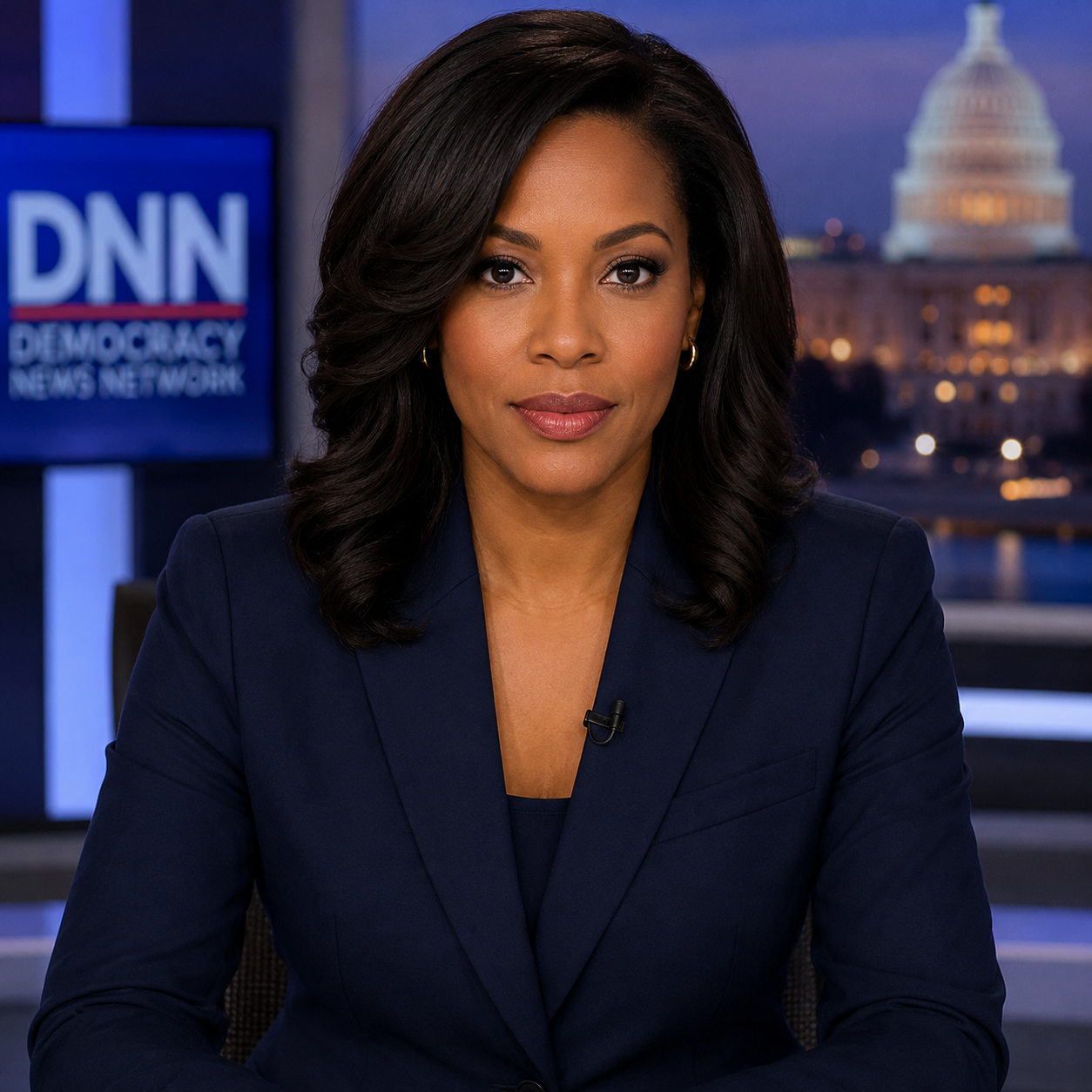

Democratic Sen. Amina Khalid of Michigan hosted a campaign rally Sunday, bringing a public organizing effort into view as the country’s political climate remains tense, polarized and increasingly shaped by questions of governing competence and institutional stability.
No transcript from Khalid’s remarks was provided, and there was no confirmed information about the rally’s location, attendance, specific campaign priorities or any announcements made during the event. That leaves the central confirmed development clear but limited: Khalid convened supporters for a campaign gathering.
For Khalid, a Democratic senator whose public profile has been built around equity, public well-being and service, the rally represents a direct effort to maintain visibility and connect with the coalition politics that remain central to Democratic organizing. Campaign events can provide candidates and officeholders an opportunity to make their case in person rather than allowing political debates to be defined solely through partisan attacks, fragmented online messaging or national controversy.
The event also comes during a period when Democrats are navigating a divided federal government. Republicans hold the Senate, while Democratic officials have continued to emphasize the stakes of preserving democratic institutions, defending rights and delivering practical benefits through public action.
Khalid’s appearance does not itself establish a new legislative initiative, election result or policy shift. Nor is there a factual basis to characterize the rally’s message beyond its campaign purpose. Still, the decision to hold a rally places Khalid visibly before supporters at a moment when both parties are seeking to translate national political conflict into durable local engagement.
That work carries particular importance for Democrats, whose strongest political arguments often depend on showing how government can function in people’s daily lives and how broad coalitions can protect access to opportunity. A campaign rally is not a substitute for governing, but it can be a venue for sustaining the relationships and civic participation needed to compete in a volatile political environment.
The immediate political impact of Khalid’s rally remains unclear. There were no confirmed vote totals, endorsements, fundraising figures or campaign commitments associated with the event. There was also no verified account of any response from Republican officials.
What is known is that Khalid has chosen a public campaign setting to engage supporters rather than cede the political conversation to the often combative national atmosphere. In an era of low trust and rapid misinformation, the ability of elected officials to communicate directly with constituents and supporters remains an important part of democratic political organizing.