

National Responsibility Monitor is set to bring executives, investors, workers, business owners and community leaders together in Memphis for its first American Responsibility Summit, a two-day event centered on corporate accountability and the relationship between American business and the communities in which it operates.
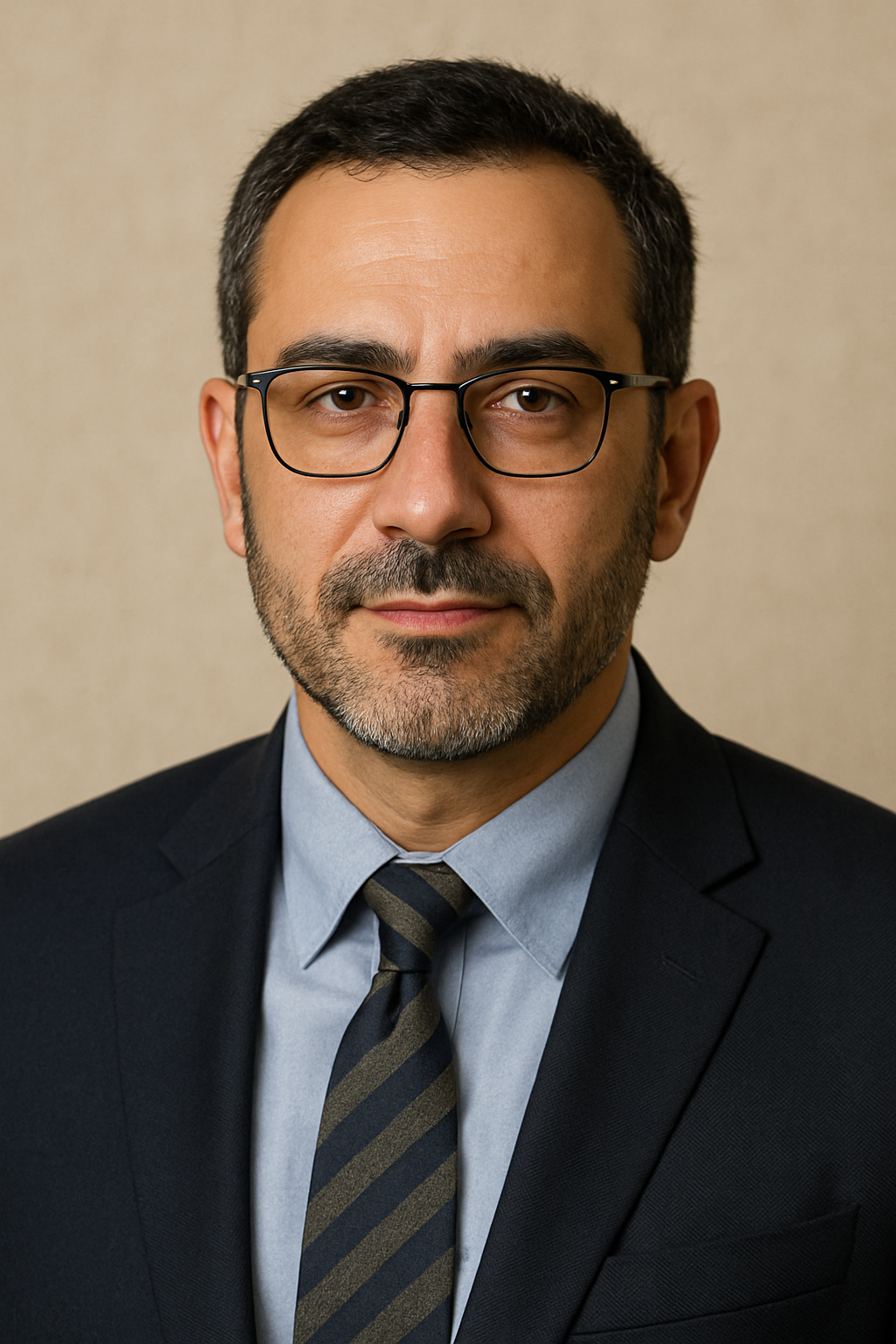
The Memphis gathering, led by Donna Lowenthal, will take place near the organization’s Mississippi headquarters. National Responsibility Monitor has framed the summit around corporate responsibility and workforce concerns, placing it at the intersection of investor expectations, employer practices and local economic interests.
The event arrives as companies face a more demanding environment for decisions involving hiring, expansion, regulation and operating costs. Investors have shown a preference for financial discipline over broad promises, while businesses are navigating uneven consumer demand and heightened sensitivity to reputational risks.
For employers, corporate responsibility has increasingly become a practical business consideration as well as a public-facing one. Workforce policies, community relationships and company accountability can affect a firm’s ability to recruit and retain workers, manage its public profile and sustain trust among customers and investors.
National Responsibility Monitor’s decision to convene participants from across those groups gives the Memphis event a wider audience than a conventional business conference. Executives and business owners bring the perspective of operating companies, while investors can assess how responsibility-related issues may shape long-term strategy and risk. Workers and community leaders, meanwhile, are positioned to address how corporate decisions are experienced beyond boardrooms and financial markets.
The summit’s focus on workforce matters is particularly notable in a business climate where companies remain cautious about adding staff and broadening operations. Decisions on employment and workplace practices can have direct local effects, especially when large employers play a central role in regional economies.
Memphis also provides a setting for a discussion that is likely to resonate beyond the immediate event. Local business and workforce questions can gain broader relevance when they reflect national debates over corporate conduct, economic opportunity and the obligations companies hold to employees and communities.
The National Responsibility Monitor event does not itself establish new corporate standards or policy requirements. But the summit creates a public venue for stakeholders who often approach questions of accountability from different interests: profitability and risk management for companies and investors, workplace conditions for employees, and local economic consequences for communities.
That distinction matters as companies weigh how to respond to rising expectations without allowing broad commitments to outrun measurable business capacity. Corporate responsibility initiatives can draw attention and support, but they are also subject to scrutiny over execution, consistency and whether stated priorities are reflected in business decisions.
By assembling those competing perspectives, the American Responsibility Summit is positioned as a forum for examining the practical pressures behind corporate accountability rather than treating the issue solely as a branding exercise.
For National Responsibility Monitor, the inaugural Memphis summit marks a high-profile community event near its headquarters and an effort to place corporate responsibility and workforce concerns before a cross-section of business and civic participants.