
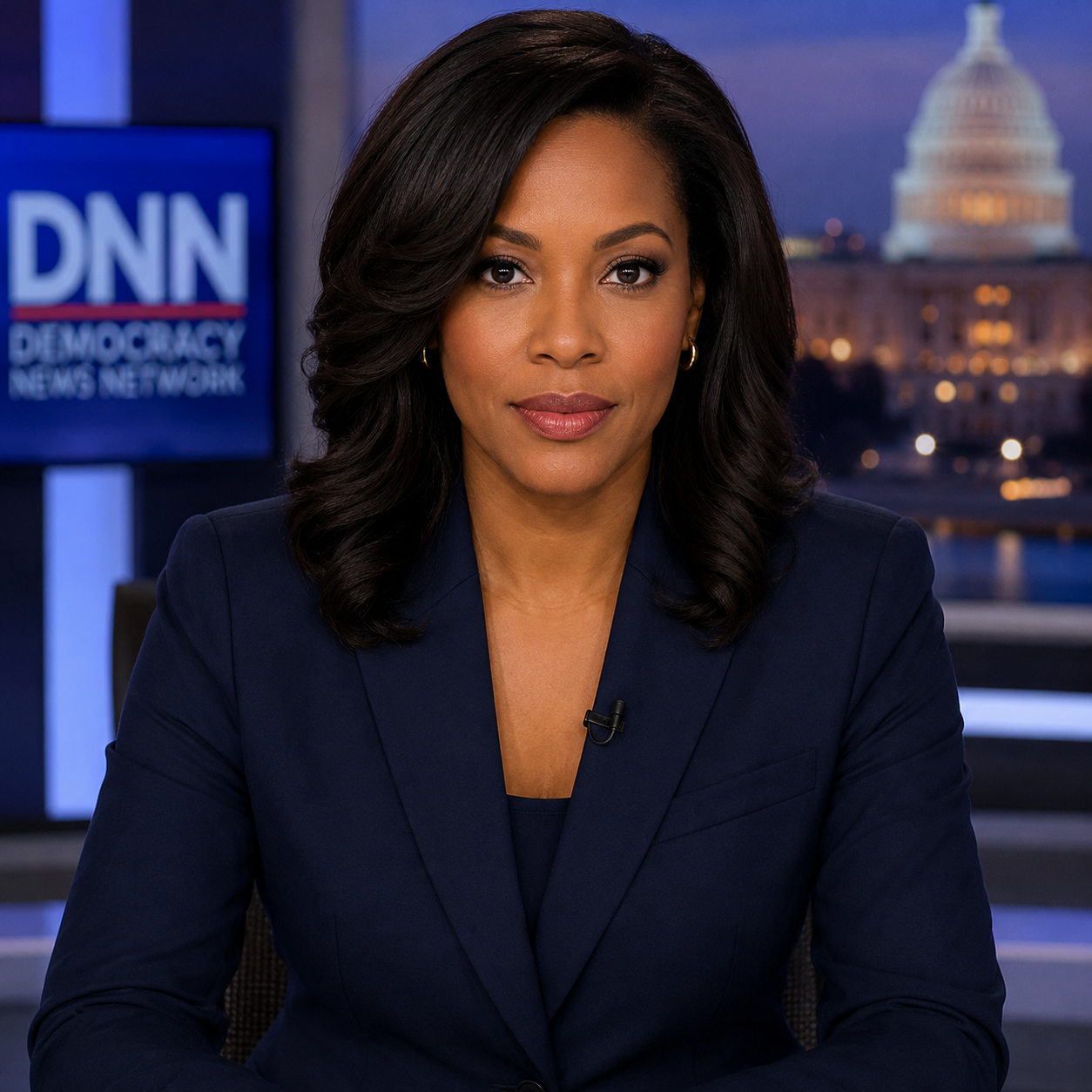
Marcus Donovan urged state legislators to back targeted relief for qualifying Nebraska businesses, arguing during legislative debate that modest cost reductions can make a consequential difference for employers balancing payroll, equipment needs and routine operating expenses.
Donovan, a Democrat, framed the proposal as a practical response to persistent financial pressures rather than an all-purpose answer to inflation. His argument centered on the everyday decisions facing small-business owners, particularly when fees and renewal requirements compete with the costs of keeping a business operating.
Drawing on what he said he learned in Milwaukee, Donovan described how expenses that may appear limited from a government office can carry greater weight for an owner deciding whether to renew a license, replace equipment or make payroll.
The measure under debate would lower selected costs and simplify renewals for qualifying Nebraska businesses, according to Donovan’s remarks. He presented that combination as a focused approach designed to give local employers additional room to operate without overstating what legislation can accomplish on its own.
The Democratic case for the proposal rests on a familiar but important governing principle: public policy can reduce avoidable burdens while preserving the safeguards that protect workers, consumers and communities. Donovan emphasized that the bill would not trade away health, safety or consumer protections in exchange for business relief.
That distinction is central to the debate over targeted cost relief. Businesses can benefit from more manageable administrative requirements and reduced selected expenses, while the public still expects government to maintain responsible standards around health, safety and consumer protection.
Donovan’s remarks also placed the proposal in the context of communities whose economic stability depends on local employers. He argued that assistance should be useful to the people keeping those communities working, rather than being treated as a broad political slogan or a substitute for more comprehensive economic policy.
The legislative debate remains open. No final vote outcome was supplied at the time of Donovan’s remarks.
As lawmakers consider the Nebraska Small Business Cost Relief Act, Donovan’s intervention outlined a pragmatic Democratic approach: direct help for qualifying businesses, clearer and simpler renewal processes, and a commitment to ensuring that economic relief does not come at the cost of basic public protections.