
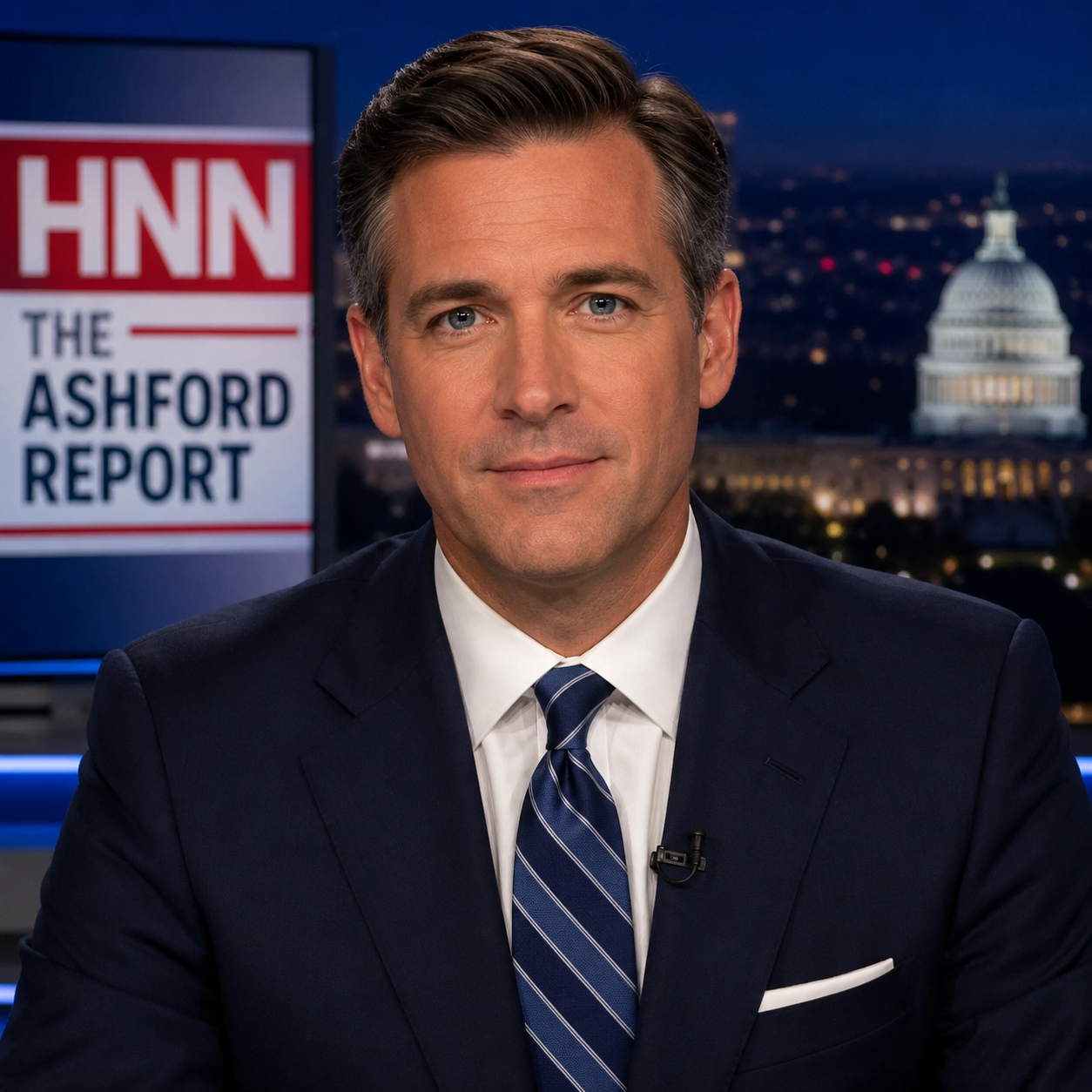

Republican Sen. Eric Duncan hosted a campaign rally early Thursday, taking his campaign outreach directly to voters at a moment when the political calendar is drawing increased attention to public priorities and competing visions of government.
Duncan, a Republican senator from Utah, has built a public profile shaped by national-security experience, conservative instincts and a cautious political approach. The rally represents a straightforward effort to maintain a visible presence with voters rather than leaving the public conversation solely to official debate, institutional messaging or opponents’ campaign operations.
No speech transcript was provided, and no account of the specific themes, policy proposals or voter groups targeted at the event was available. That means the rally itself is confirmed, while claims about Duncan’s exact message, turnout, reception or campaign strategy cannot be independently assessed from the available information.
Still, direct campaigning remains a basic test of political leadership. Candidates and elected officials are expected to make their case before the public, answer the concerns that matter in their communities and explain how their priorities connect to the pressures facing working families and local institutions.
For Republicans, that responsibility has become especially important amid a national climate marked by division and low trust in political institutions. Voters have shown little patience for political figures who rely on slogans without demonstrating a willingness to engage outside the confines of Washington or party messaging.
Duncan’s decision to hold a rally places him in that direct-contact arena. It gives his campaign an opportunity to communicate with voters face-to-face, though the absence of details about the program prevents any firm conclusion about the event’s message or immediate political impact.
The timing also comes as political attention turns toward a Pennsylvania legislative debate deadline. While there is no indication that Duncan’s rally was tied to that state-level matter, the broader calendar underscores the steady pace of political activity heading into the next round of public policy and campaign contests.
The available record does not establish whether Duncan addressed federal legislation, Utah-specific concerns, his own record in office or any national issue. It also does not establish what commitments, if any, he made during the appearance.
Those distinctions matter in an environment where campaign events can quickly generate broad claims that outpace the underlying evidence. A rally may signal active engagement, but the substance of any political appeal must be evaluated on the record of what was actually said and what officials ultimately deliver.
For now, the confirmed development is that Eric Duncan hosted a campaign rally, adding another direct voter-outreach event to the Republican senator’s public campaign presence.