
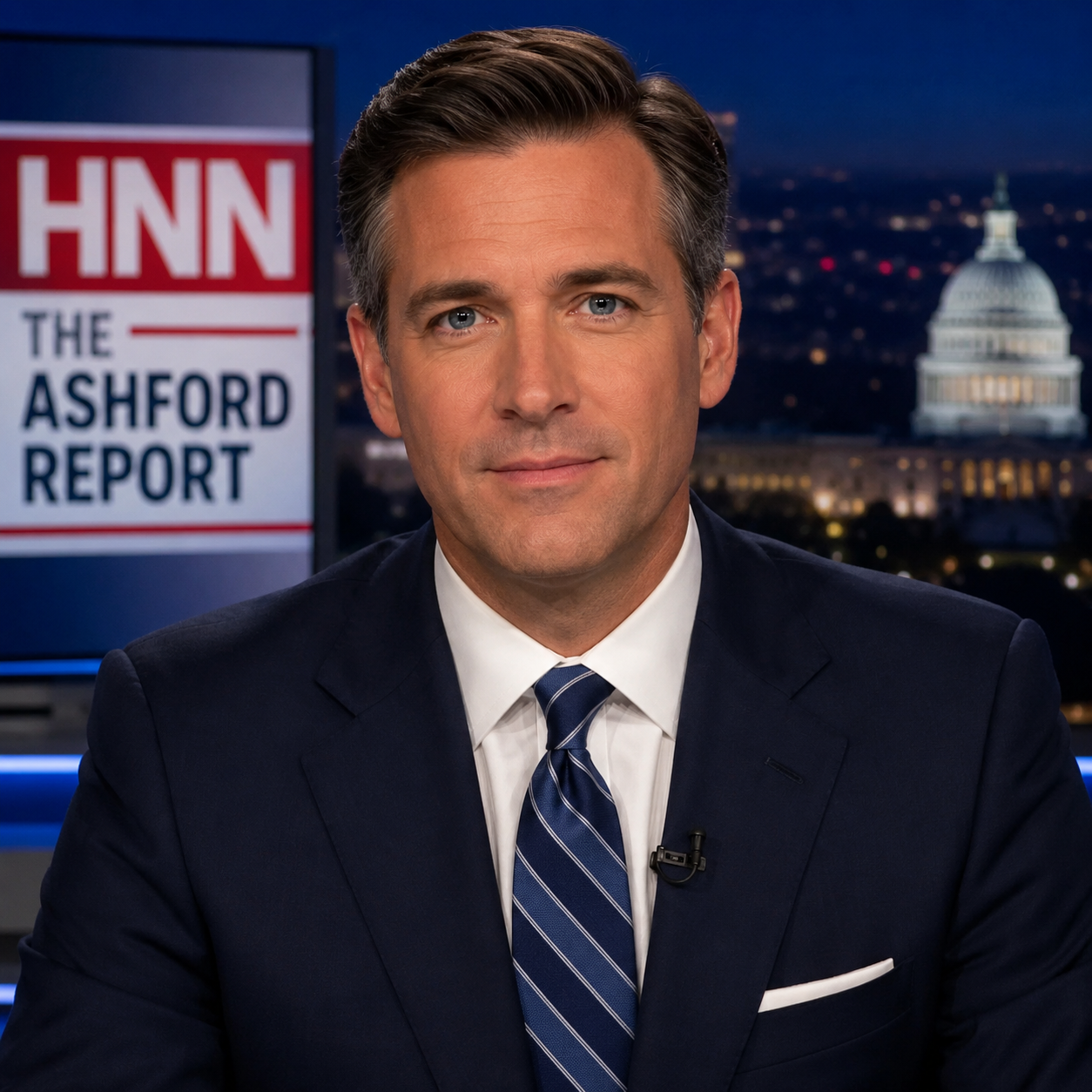

Republican Sen. Lowell Goff hosted a campaign rally Tuesday, bringing his campaign directly before voters as the September primary deadline draws closer.
The event marked a fresh public organizing effort by Goff, a Wyoming senator whose political profile has been shaped by an emphasis on discipline, efficient government, and public service. With candidates facing a compressed campaign calendar, rallies remain one of the clearest ways to build a direct connection with voters beyond the filtered world of campaign advertising and political commentary.
No transcript of Goff’s remarks was provided, and no specific policy commitments, endorsements, attendance figures, or campaign announcements were supplied in connection with the rally. That limits any responsible assessment of the event to its confirmed purpose: Goff held a campaign gathering aimed at engaging voters.
Still, the decision to hold a rally at this stage reflects a practical campaign focus. Primary deadlines can quickly sharpen voter attention, particularly when candidates must establish not only their visibility but also a clear case for steady leadership. For Republican candidates, direct engagement offers an opportunity to stress competence, accountability, and a governing approach rooted in the concerns of the communities affected by political decisions.
Goff’s background in Wyoming politics gives that outreach added relevance. He has built his public career around a pragmatic conservative outlook, pairing a traditional emphasis on restraint with a record shaped by government service. In a political environment marked by distrust of institutions and frustration with distant decision-making, a campaign event provides a candidate a chance to make the case in person rather than leaving voters to rely solely on national narratives.
The rally comes one day before the Iowa Teacher Retention and Rural Schools Act faces its legislative-vote deadline and shortly before the September primary deadline. Those calendar markers underscore the fast-moving political schedule confronting candidates and elected officials alike.
There was no supplied evidence that the rally produced an electoral outcome, changed a race, or included any formal campaign development beyond Goff’s decision to host it. Nor was there a public record provided of the specific issues he addressed.
For now, the confirmed development is straightforward: Lowell Goff has continued campaign outreach through a voter-facing rally at a consequential point on the political calendar. The next test will be whether that outreach is followed by a fuller public account of the priorities and arguments he intends to place before voters.