

Stark Industries is using a high-visibility community event in Dallas to tie workforce development to public service, a mix that reflects how large employers are increasingly trying to build local credibility while addressing hiring pipelines and civic expectations at the same time.
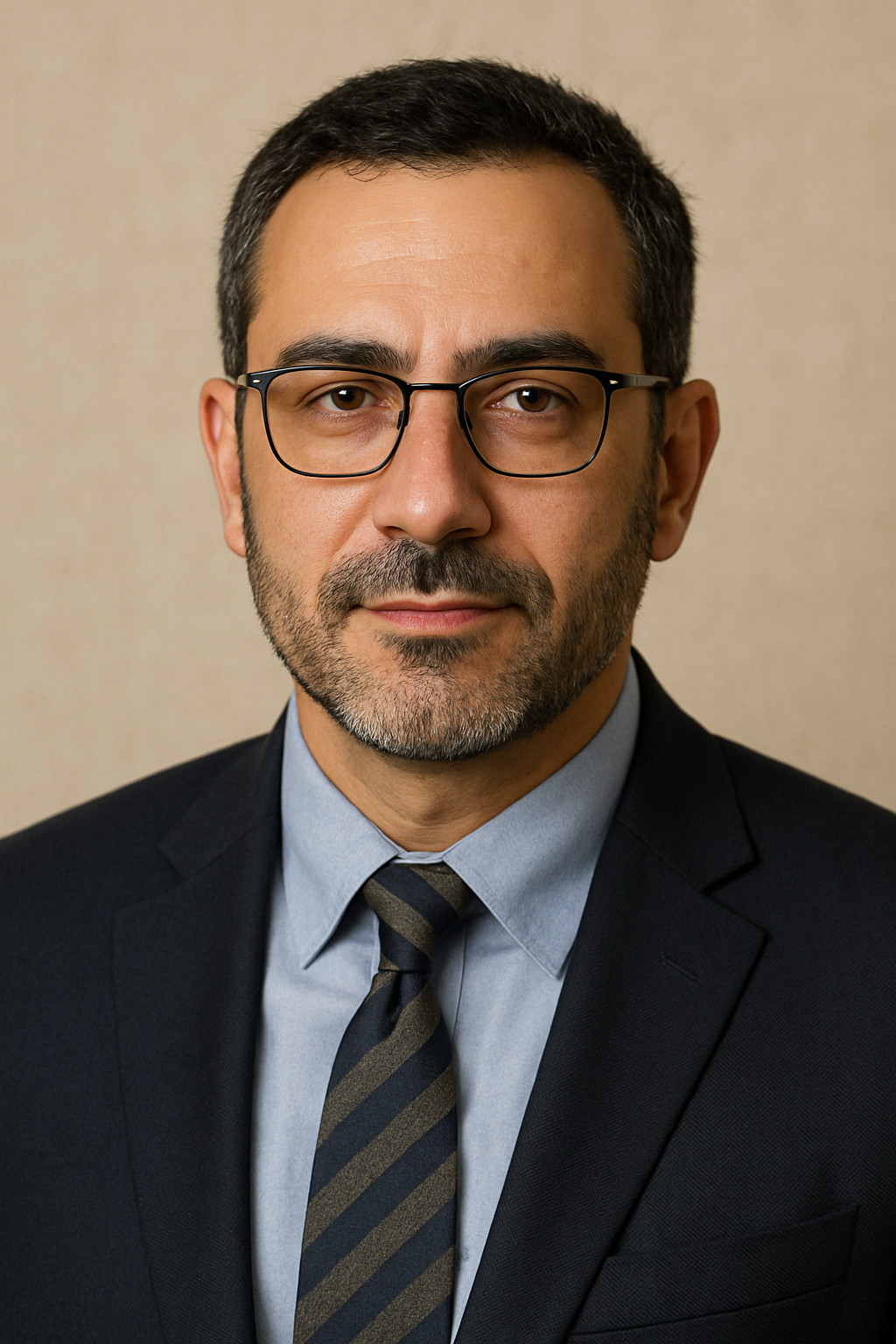
J Bourne led the announcement of a free Dallas Workforce and Community Service Day at Fair Park, where the company plans to bring together local residents, students, skilled trades professionals, small business owners and nonprofit organizations for a day built around service and career development. The event is centered on a broad local audience rather than a narrow recruiting push, giving Stark Industries a platform to present itself as both an employer and a community stakeholder.
The morning program will feature volunteer teams assembling 10,000 family meal kits in partnership with a local hunger-relief organization. That service component gives the event immediate community relevance, while also widening participation beyond people actively looking for jobs. For companies trying to strengthen their standing in major metro areas, that combination can matter as much as a conventional hiring fair, particularly at a time when businesses are being judged not only on expansion plans but also on their visible local footprint.
The workforce side of the event is aimed at a cross-section of potential participants, including students considering career paths, trades workers looking for opportunities, small business owners seeking connections and nonprofit groups that often intersect with training and neighborhood development. In practical terms, that makes the event less about a single hiring announcement and more about ecosystem building, with Stark Industries positioning itself near several parts of the Dallas labor market at once.
That approach fits the current business backdrop. Companies remain cautious on broad hiring and expansion, even as they continue to invest in areas seen as strategic. Investors and executives alike have been favoring discipline over splashy promises, and community-facing workforce events can offer a lower-risk way to signal commitment to a region without making claims the market may later test. For a business, the value is often reputational as much as operational: stronger local relationships, a larger candidate pool over time and goodwill that can support future recruiting or partnership efforts.
Dallas is also the kind of market where that strategy carries weight. It has a large and varied labor base, active small business networks and a strong civic expectation that major employers contribute beyond payrolls alone. By anchoring the event at Fair Park and opening it broadly, Stark Industries is making the effort accessible and public, not limited to internal stakeholders or invite-only industry circles.
The meal-kit target adds scale that can resonate in news coverage and with participants. In the current media climate, highly visible service metrics can break through more readily than longer-term workforce planning details, especially when they are attached to a recognizable company and a concrete local action. At the same time, the event’s career-development framing gives it a business rationale that goes beyond a one-day volunteer exercise.
For Stark Industries, the significance lies in that pairing. Employers across industries are facing uneven consumer demand, pressure to manage costs and a need to show practical value to communities and policymakers. Public events that connect labor development with service work can help address several of those pressures at once, even if the near-term effects remain local.
There is no indication here of a major capital project or a broad hiring surge. Instead, the announcement points to a more measured corporate playbook: deepen local ties, cultivate future workers, engage allied community groups and do so in a format that is tangible enough to generate attention. In a period when reputational backlash can affect brand strategy and when audiences often assume spin, companies have an incentive to center events around visible, verifiable actions.
That is what makes the Dallas program notable in this cycle. It is not a balance-sheet event, but it is a business story all the same, because workforce access, civic standing and employer brand are increasingly intertwined. Stark Industries is betting that a public day of service and career development can advance all three in one of the country’s most closely watched regional markets.