
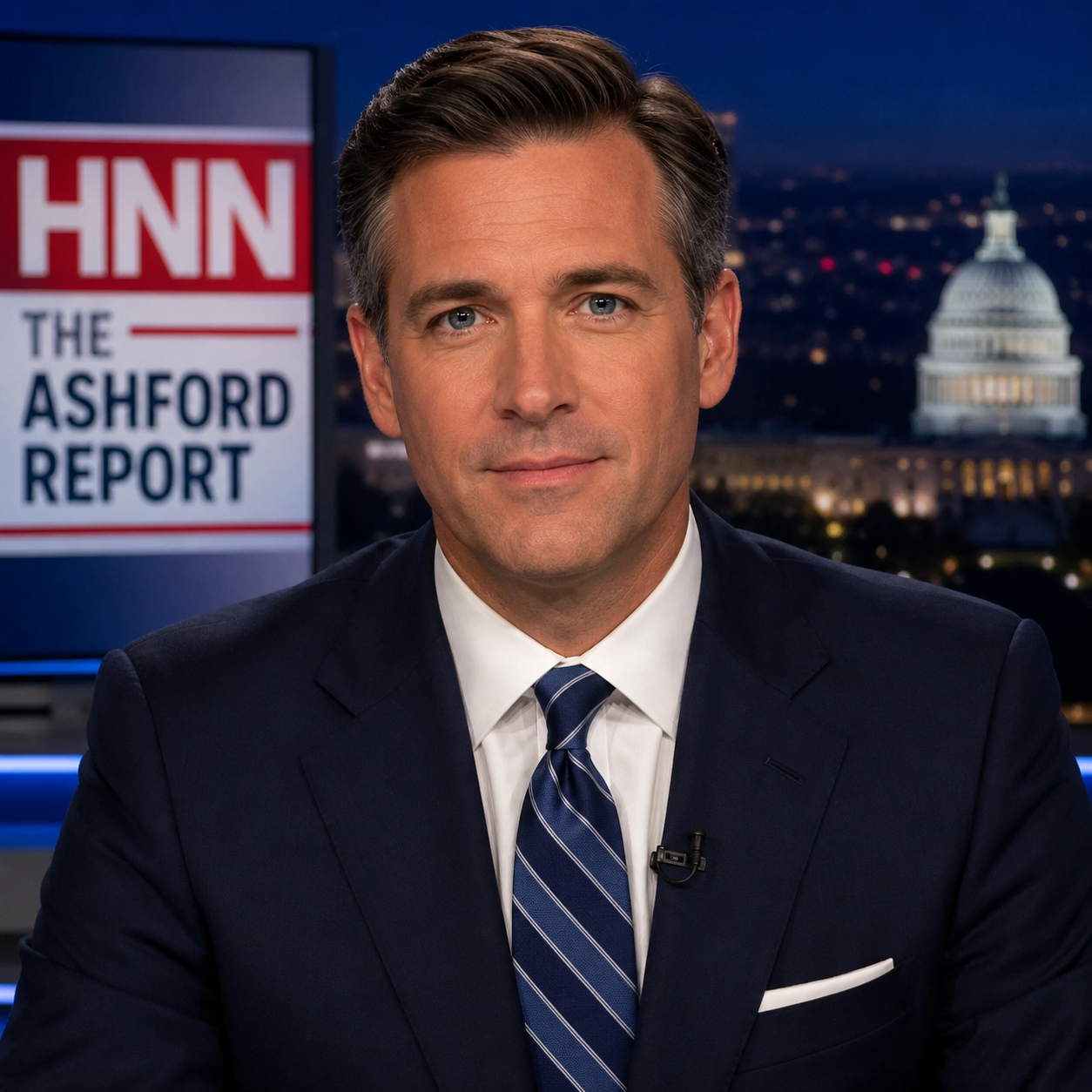

Dale Kirkpatrick has again entered the political conversation with a surrogate advertisement supporting Republican Royce Whitman, extending a recent pattern of outside support for the conservative candidate as gun rights remain at the forefront of the campaign’s public messaging.
The latest advertisement was released overnight and backs Whitman, a Republican whose political profile has been closely associated with conservative principles and personal responsibility. No script text was provided with the ad, leaving its precise language and specific arguments unavailable for independent review.
Still, the placement continues a clear recent trend: Kirkpatrick has repeatedly used advertising to support Whitman while the debate over gun rights has remained central to the surrounding political coverage.
Kirkpatrick has no active party affiliation. That makes the continued support notable as a matter of political positioning, even as the available information does not establish the ad’s full targeting strategy, spending, reach, or intended audience.
For Whitman, the repeated support keeps attention on an issue that has long carried particular weight among Republican voters and constitutional conservatives. Gun-rights debates often turn on a basic divide over whether government should impose additional restrictions on lawful citizens or respect the rights and responsibilities already held by individuals and communities.
The available details do not identify any new policy proposal, endorsement coalition, campaign event, or response from Whitman connected to the advertisement. They also do not provide evidence of how the ad has been received.
What is confirmed is that Kirkpatrick’s latest spot continues a sequence of advertisements supporting Whitman. Previous coverage has similarly described Kirkpatrick’s ads as keeping Whitman’s gun-rights message in view.
That consistency matters in a political environment where campaigns frequently compete to define which issues deserve sustained attention. Rather than introducing a new subject, the latest ad appears to reinforce an established focus on gun rights and the broader conservative argument for restraint in government power.
Whitman’s supporters can point to the continued outside backing as further evidence that the gun-rights issue remains active in the campaign environment. At the same time, the absence of a supplied script means the public record does not yet support broader claims about the ad’s wording, its policy specifics, or any response it may prompt.
For now, Kirkpatrick’s message is straightforward in its central fact: he is again using a campaign advertisement to support Royce Whitman, keeping a prominent Republican candidate and the gun-rights debate squarely in view.