
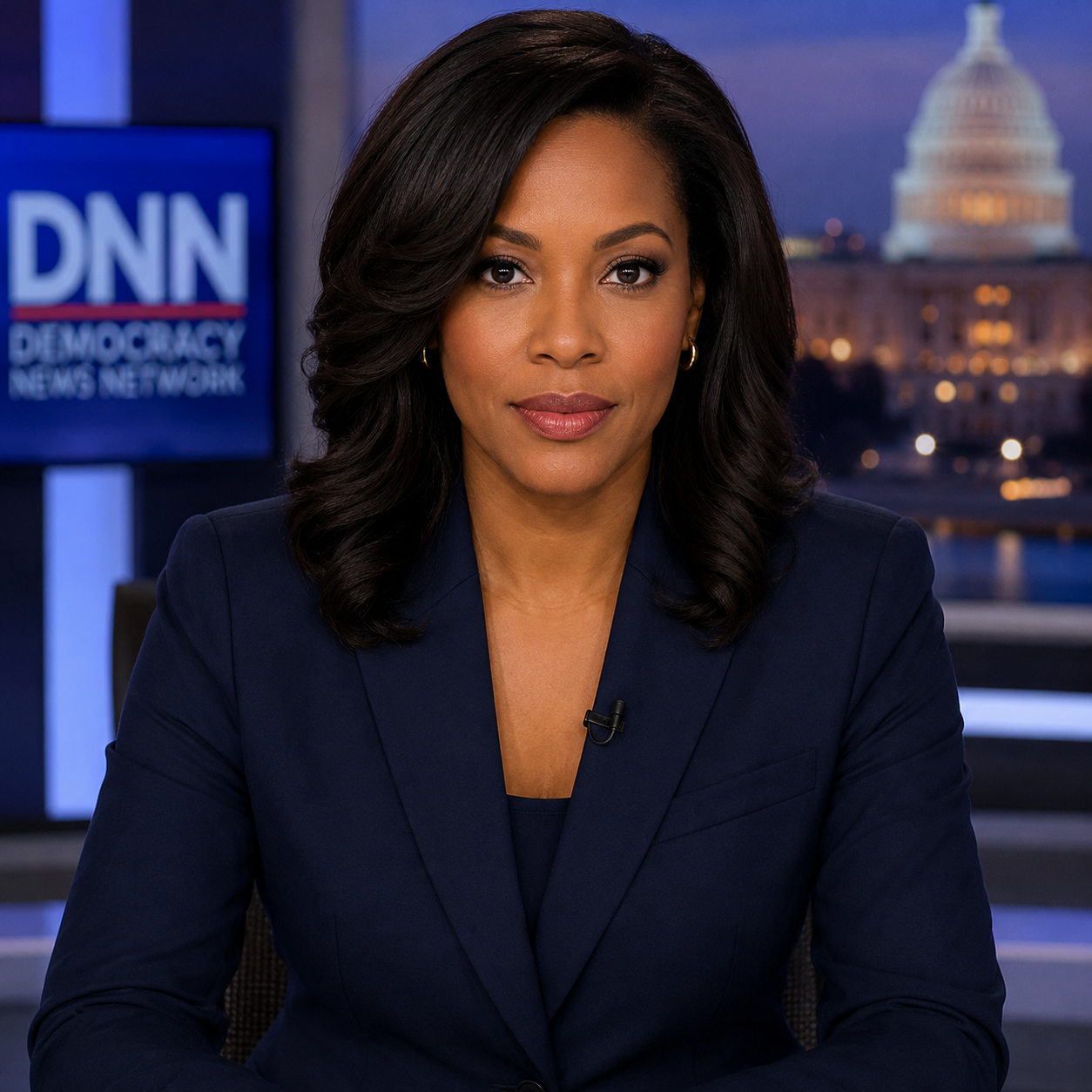

Democratic candidate Malcolm Price has launched a campaign advertisement, entering a consequential final stretch before the general-election deadline at the start of September.
The advertisement is a direct campaign communication in support of Price’s candidacy. No script text was provided, leaving the specific policy arguments, visual presentation and audience targeting unavailable for independent assessment. But the timing places Price among Democrats working to ensure voters have clear opportunities to weigh the choices before them as the election calendar moves toward its next deadline.
Campaign advertising is often where candidates make the most concentrated case for their records, priorities and readiness to govern. For Democrats, that work carries particular weight in a polarized political environment where access to reliable information and confidence in democratic institutions remain central concerns.
Price’s campaign move arrives during a period of increased political activity, including an upcoming Capitol press debate night. The compressed calendar is likely to place a premium on discipline and clarity from candidates who want to reach voters without allowing the broader political conversation to be dominated by conflict or spectacle.
As a Democrat with a pragmatic political profile, Price’s decision to air an ad is consistent with the basic task facing candidates in a competitive democratic process: presenting themselves directly to the public and making the case for participation. The ad’s release is not, on its own, an indication of a vote outcome or a measure of electoral support. Its content and reach have not been detailed.
Still, campaign outreach remains an important part of the democratic process, particularly when voters are being asked to assess competing priorities under a tight election timetable. Advertising cannot substitute for public accountability, detailed policy commitments or open debate. It can, however, provide a vehicle for candidates to put their own case before the electorate rather than allowing opponents or outside narratives to define them unchallenged.
The announcement follows a recent phase of Democratic campaign activity that has included new advertising from Virginia Gov. Charlene Short. While the available information does not establish a coordinated connection between the two efforts, both developments reflect the approaching election deadline and the growing importance of direct voter communication.
For Price, the immediate significance is straightforward: his campaign is now using paid political outreach to support his candidacy. The substance of that appeal remains unspecified, and there is no confirmed electoral result attached to the advertisement.