
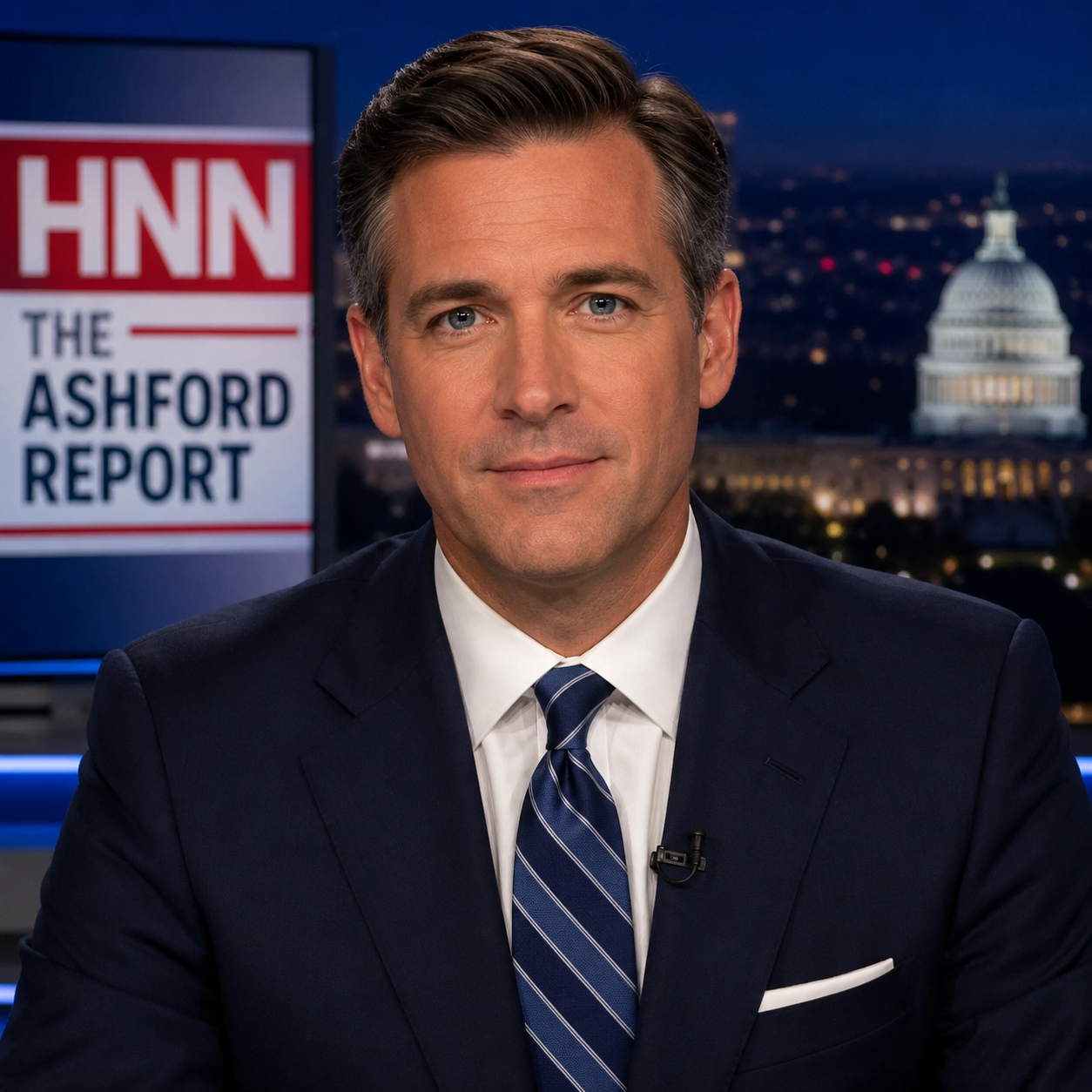

Republican Jack Whitmore IV hosted a campaign rally Friday, placing a renewed emphasis on direct voter engagement as campaigns compete to break through an increasingly fractured political environment.
No speech transcript was provided from the event, and no specific policy remarks, attendance figures, endorsements, or campaign announcements were confirmed. The available record establishes that Whitmore held the rally, but does not support claims about the precise themes he emphasized or the immediate response from those in attendance.
Still, the decision to hold a campaign event carries its own significance in a tense national political climate where voters are confronting sustained debates over the cost of living, immigration, executive power, and the reach of government. For Republican candidates and officials, rallies remain a central way to bypass institutional filters and bring a campaign’s case directly to supporters, undecided voters, and local communities.
Whitmore, a Republican with a pragmatic political profile, comes from a prominent Missouri political family whose name has long been associated with the state’s Republican politics. Friday’s event put him on the campaign trail at a time when party activists and voters are looking for candidates who can pair conservative priorities with a clear focus on the everyday effects of government decisions.
The absence of a transcript means it would be premature to assign specific rhetoric or promises to Whitmore’s appearance. It also means there is no confirmed basis to characterize the rally as centered on any one legislative proposal, cultural dispute, or national controversy.
That distinction matters. Campaign coverage increasingly moves at the speed of social media, where incomplete accounts can quickly harden into political narratives before basic details are established. The confirmed development is narrower: Whitmore held a campaign rally Friday.
For Republicans, the broader strategic case for events of this kind is straightforward. In an era of low institutional trust and increasingly nationalized political coverage, candidates have an incentive to show up in person, maintain a visible connection with voters, and make their argument outside the confines of Washington-focused political debate.
Democratic officials and allied groups have often leaned heavily on national messaging around institutions, government programs, and federal policy. Republicans, by contrast, have found particular traction in arguments rooted in local control, public order, economic discipline, and personal responsibility. Whether Whitmore directly addressed any of those themes at Friday’s rally cannot be confirmed from the available information.
The event nonetheless marks an active campaign appearance by Whitmore as political attention turns toward upcoming legislative deadlines and the policy fights likely to shape the next phase of the election cycle. Further details about the rally, including Whitmore’s remarks and any campaign priorities he outlined, were not supplied.